Alaska Canada Resource Development: A Collaborative Path Ahead
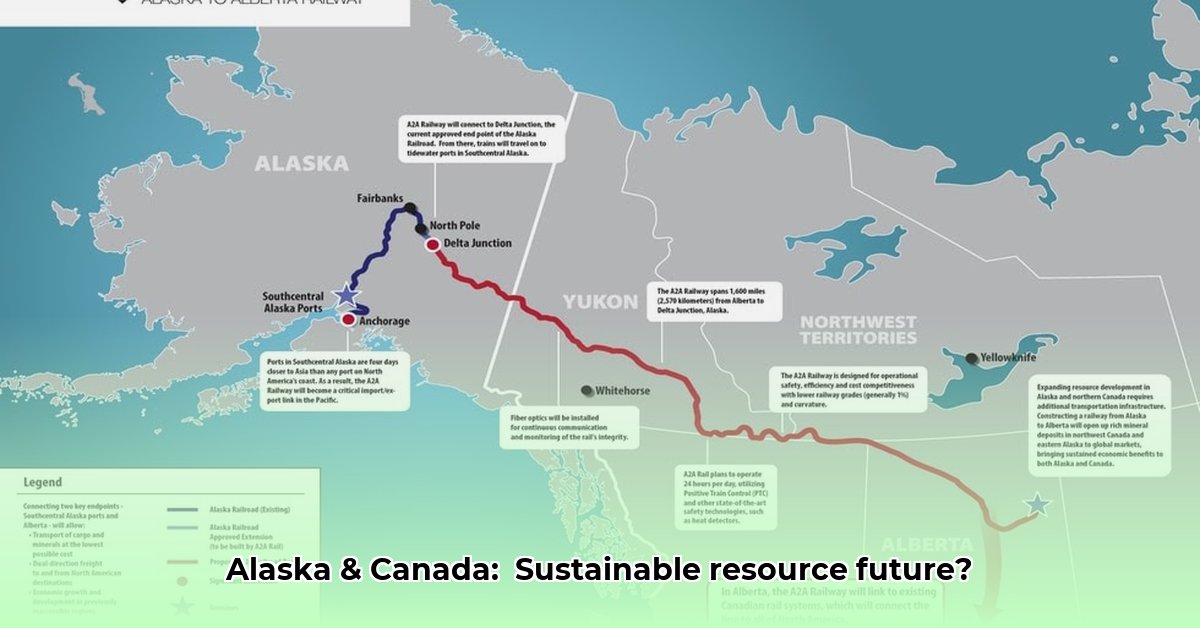
Alaska and Canada share a vast, resource-rich landscape. Developing these resources—from oil and gas to minerals and timber—presents both immense economic opportunities and significant challenges in protecting fragile ecosystems and respecting the rights of Indigenous communities. Successfully navigating this requires collaboration—a complex interplay between governments, industry, and local populations. But how can we ensure this collaboration leads to sustainable outcomes? See a helpful map of the region here.
Imagine the stark beauty of the Alaskan and Canadian Arctic. Vast, untouched wildernesses, teeming with wildlife and holding immense mineral wealth, are also home to Indigenous communities with deep-rooted traditions. Extracting these resources without causing irreversible harm is a monumental challenge, demanding a careful balance between economic progress and environmental stewardship. This requires a nuanced approach, respecting the rights and knowledge of those whose lives are inextricably linked to these lands. How can we ensure that resource development benefits all stakeholders, environmentally and socially?
Navigating the Northern Frontier: A Balancing Act
The extraction of resources in this delicate ecosystem presents a complex ethical and logistical dilemma. How do we balance the potential for economic prosperity with the urgent need to protect pristine environments and uphold the rights of Indigenous peoples? This isn't merely an economic issue; it's a question of cultural preservation and environmental responsibility. The answer lies in fostering genuine collaboration—a collaborative effort between industry, government, and Indigenous communities.
The Power of Partnership: Working Together for a Sustainable Future
The potential for successful collaboration is evident in organizations like the Resource Development Council (RDC). The RDC provides a platform for diverse stakeholders—from resource companies to environmental groups and Indigenous communities—to engage in open dialogue and shape development strategies. Furthermore, the proposed Alaska-Canada legislative liaison aims to strengthen cross-border cooperation, facilitating joint projects and streamlining regulatory processes. This collaborative approach mirrors the interconnectedness of the shared Arctic environment – just as a healthy ecosystem thrives on interdependence, successful resource development hinges on collaborative partnerships. But what specific challenges hinder this collaborative ideal?
The Challenges: Finding Common Ground
While the need for sustainable practices is widely acknowledged, significant challenges remain. How do we define “sustainable” in a concrete, measurable way? How do we ensure Indigenous communities receive a fair share of the economic benefits, and how do we protect their cultural heritage? These questions often spark heated debate. To make informed decisions, we need reliable data. For example, a comprehensive analysis of the potential economic advantages of closer Alaska-Canada cooperation in resource development could provide a strong foundation for policy-making. Evidence-based approaches are crucial for bridging the divides.
A Roadmap for the Future: Short and Long-Term Goals
Sustainable resource development requires a strategic, phased approach. The following table outlines short and long-term goals for key stakeholders:
| Stakeholders | Short-Term Goals (0-1 Year) | Long-Term Goals (3-5 Years) |
|---|---|---|
| RDC & Member Organizations | Improve communication; establish best practices for environmental responsibility; advocate for sustainable policies. | Develop measurable sustainability goals; invest in research to minimize environmental impact and maximize resource efficiency. |
| Alaska State Legislature | Re-establish Alaska-Canada Legislative Liaison; pass laws encouraging cross-border collaboration; fund joint research. | Create a comprehensive, long-term plan for sustainable resource management, adaptable to climate change and best practices. |
| Alaska Native Corporations | Increase RDC involvement; secure agreements ensuring fair benefits; advocate for protection of traditional lands. | Develop long-term economic diversification plans and safeguard cultural heritage. |
| Canadian Government & Organizations | Actively participate in the renewed Alaska-Canada Legislative Liaison; collaborate on environmental management, resource development and border security projects. | Create shared plans for sustainable resource management in the transboundary region, including joint environmental programs. |
Managing the Risks: A Proactive Approach
Sustainable resource development necessitates proactive risk management. The following matrix highlights potential risks and mitigation strategies:
| Risk Factor | Likelihood | Impact | Mitigation Strategy |
|---|---|---|---|
| Environmental Damage (e.g., spills) | Moderate | High | Strengthen environmental regulations; invest in advanced monitoring and prevention technologies. |
| Climate Change Impacts | High | Very High | Invest in climate change adaptation; promote environmentally friendly resource extraction. |
| Political Differences (Canada/US) | Low | Moderate | Maintain open communication; foster collaboration on key issues. |
| Stakeholder Disputes | Moderate | Moderate | Increase stakeholder participation; establish transparent decision-making processes. |
The Role of Rules and Regulations: Shaping a Sustainable Future
Strong, adaptable regulations are crucial. Existing rules require continuous review to incorporate new knowledge and best practices. Harmonizing regulations between Alaska and Canada is particularly important for seamless cross-border resource management. This collaborative regulatory approach is critical for achieving truly sustainable development. The future of responsible resource development hinges on it.
Conclusion: A Collaborative Future
Developing Alaska and Canada's shared resources sustainably requires a transformative shift towards collaborative governance, transparent decision-making, and a commitment to long-term environmental stewardship. By prioritizing collaboration and evidence-based approaches, we can unlock the economic potential of the region while safeguarding its unique ecosystems and honoring the rights of its Indigenous communities. The path ahead is challenging, yet the potential rewards—a prosperous economy and a healthy planet—are immeasurable.